


 English
 Spanish
 French
 German
 Italian
 Chinese (Simplified)
 Japanese
 Korean
 Arabic
 Portuguese
 0804581363308045813633
 Send Inquiry

 Send Inquiry
Vertical Package Substation
Price 3000000 INR/ Piece
MOQ : 10 Pieces
Vertical Package Substation Specification
- Capacity
- 250 kVA to 2500 kVA
- Coil Material
- Copper
- Low Voltage
- 415 V
- High Voltage
- 11 kV
- Voltage Booster Type
- Step-down
- Cooling Type
- ONAN (Oil Natural Air Natural)
- Load Loss
- As per IS standards
- Rated Voltage
- 11 kV / 0.415 kV
- Operating Temperature
- -10C to +55C
- Dimension (L*W*H)
- 2200 mm x 1300 mm x 2300 mm
- Product Type
- Vertical Package Substation
- Material
- Mild Steel Body
- Output
- Customized as per requirement
- Frequency (MHz)
- 50 Hz
- Efficiency
- 98%
- Phase
- Three Phase
- Usage
- Industrial Power Distribution
- Coil Structure
- Toroidal
- Coil Number
- Two
- Power Scope
- Up to 5000 kVA
- Weight
- Approx. 1200 kg
- Ambient Temperature
- Up to 50C
- Cable Entry
- Bottom and Side Entry Options
- Service Condition
- Indoor / Outdoor Use
- Paint Finish
- Epoxy Powder Coated
- Mounting Type
- Floor Mounted
- Earthing
- Dual Earth Facility Provided
- Insulation Class
- Class F
- Color
- Siemens Grey (RAL 7032)
- Core Material
- Cold Rolled Grain Oriented (CRGO) Steel
- Transformer Type
- Oil-Immersed
- Humidity Resistance
- Suitable for 95% RH
- Enclosure Protection
- IP55
- Main Components
- HT Panel, Distribution Transformer, LT Panel, Protection Fuses
Vertical Package Substation Trade Information
- Minimum Order Quantity
- 10 Pieces
- Main Export Market(s)
- Australia, Central America, North America, South America, Eastern Europe, Western Europe, Middle East, Asia, Africa
- Main Domestic Market
- All India
About Vertical Package Substation
A Vertical Package Substation (VPS) is a type of electrical substation that is designed to be compact and vertically oriented, as opposed to traditional horizontally-oriented substations. Substations are essential components of electrical power distribution systems, as they transform voltage levels and help manage the flow of electricity between different parts of the power grid.
The concept of a Vertical Package Substation is often used in urban areas or locations where space is limited. By arranging the substation equipment in a vertical manner, the footprint of the substation can be significantly reduced. This is particularly beneficial in densely populated areas where available land is limited and expensive.
A typical Vertical Package Substation might include the following components, arranged in a vertical configuration:
1. Transformers: These are used to step up or step down voltage levels for efficient transmission and distribution of electricity.
2. Circuit Breakers: These devices are used to interrupt electric currents in the event of a fault or overload, ensuring the safety and stability of the electrical system.
3. Switchgear: Switchgear includes switches, fuses, and other protective devices that control the flow of electricity within the substation.
4. Control and Protection Equipment: This includes various control panels, relays, and monitoring systems that ensure the substation operates safely and efficiently.
5. Cooling Systems: Vertical Package Substations may include cooling systems to dissipate heat generated by the equipment.
6. Enclosures: The entire substation is enclosed within a structure designed to protect the equipment from environmental factors such as weather and unauthorized access.
FAQ:
Q: What is a Vertical Package Substation (VPS)?
A: A Vertical Package Substation is a compact and vertically oriented electrical substation designed to fit in limited spaces, particularly in urban areas where land availability is restricted.
Q: Why are Vertical Package Substations used?
A: VPSs are used to efficiently distribute electricity in densely populated areas where space is at a premium. Their vertical design allows for a smaller footprint compared to traditional horizontally oriented substations.
Q: What are the key components of a Vertical Package Substation?
A: The main components typically include transformers, circuit breakers, switchgear, control and protection equipment, cooling systems, and enclosures to house the equipment.
Q: How do Vertical Package Substations differ from traditional substations?
A: Traditional substations have a horizontal layout, which requires more land space. VPSs are designed vertically to save space and can be prefabricated for easier installation and maintenance.
Q: What are the benefits of Vertical Package Substations?
A: The benefits include space efficiency, reduced land requirements, quicker installation, lower environmental impact, and adaptability to urban environments.
Q: Where are Vertical Package Substations commonly used?
A: They are commonly used in urban areas with limited space for traditional substations, such as city centers, commercial districts, and residential neighborhoods.
Q: Can Vertical Package Substations handle the same power capacity as traditional substations?
A: Yes, Vertical Package Substations can be designed to handle various power capacities and voltage levels, catering to the specific distribution needs of the area.
Q: How are Vertical Package Substations constructed?
A: They are often pre-fabricated and modular, meaning that components are manufactured off-site and then assembled at the installation site. This approach reduces construction time and disruption.
Q: Are there any drawbacks to Vertical Package Substations?
A: One potential drawback is that the vertical arrangement might limit the size and capacity of individual components. Additionally, the compact design could require more careful heat management due to limited space for cooling systems.
Q: What safety measures are in place for Vertical Package Substations?
A: Like traditional substations, safety measures include grounding, insulation, protective relays, and proper enclosures to prevent unauthorized access and protect equipment from environmental factors.
Q: Are Vertical Package Substations a new concept?
A: The concept has gained prominence as urbanization increases and the need for efficient use of limited space grows. However, the basic principles of substation design and operation still apply.
Reliable Power Distribution for Industrial Needs
Designed for demanding environments, our floor-mounted vertical package substation delivers exceptional power distribution for industrial applications. The system supports both indoor and outdoor installation, efficiently managing loads from 250 kVA up to 2500 kVA while ensuring operational safety and reliability. With its robust build quality, high protection standards, and advanced transformer technologies, it meets the diverse requirements of modern industries.
Superior Protection and Durability
Featuring an IP55-rated, epoxy powder-coated mild steel enclosure, the substation guarantees resistance to dust, moisture, and high humiditymaking it highly suitable for harsh industrial environments. The dual earth facility, advanced protection fuses, and effective ONAN cooling further enhance its operational safety and prolonged lifespan.
Flexible Installation and Customization
With options for both bottom and side cable entry, as well as customizable output based on your specification, this substation optimizes installation flexibility. Its compact design (2200 mm x 1300 mm x 2300 mm) and adaptable mounting options make it suitable for multiple site conditions, backed by efficient component integration and high performance.
FAQs of Vertical Package Substation:
Q: How is this vertical package substation installed and where can it be used?
A: This substation is designed for floor-mounted installation and is suitable for both indoor and outdoor industrial applications. Its compact footprint and robust enclosure allow it to be integrated into a wide range of facilities, including manufacturing plants, warehouses, and process industries.Q: What benefits does the IP55 and epoxy powder coated enclosure provide?
A: The IP55 rating safeguards the substation against dust and water jets, while the epoxy powder-coated mild steel enclosure enhances durability, corrosion resistance, and resilience to harsh weather conditions, ensuring prolonged operational life even in challenging industrial environments.Q: Which main components are included in the vertical package substation?
A: The package includes a high-tension (HT) panel, oil-immersed distribution transformer with CRGO core and copper/coiled windings, a low-tension (LT) panel, protection fuses, as well as options for bottom or side cable entry, offering a complete, integrated solution for power distribution.Q: What process ensures the reliability and safety of the substations operation?
A: Our substations are manufactured following IS standards, incorporating ONAN (Oil Natural Air Natural) cooling, dual earth facilities, and comprehensive protection through fuses. Each unit is thoroughly tested for voltage, load loss, and insulation, ensuring compliant and secure operation.Q: How does this substation cope with extreme ambient conditions?
A: Engineered for ambient temperatures up to 50C and humidity levels of 95% RH, the substation is built to perform reliably even in harsh Indian climates. Its ONAN cooling system and high-grade insulation class F play a crucial role in maintaining safe operation.Q: When should a step-down vertical substation be selected for an industrial facility?
A: A step-down substation is ideal when converting incoming high voltage (11 kV) to a safer, usable low voltage (415 V) for plant operations. It should be selected when reliable supply, safety, and operational efficiency are essential for process continuity and equipment protection.Q: What advantages does using CRGO steel and copper conductors provide?
A: Using CRGO steel in the core minimizes eddy current losses, improving efficiency. Copper windings offer superior conductivity and thermal performance, contributing to higher efficiency (up to 98%) and longer service life of the transformer.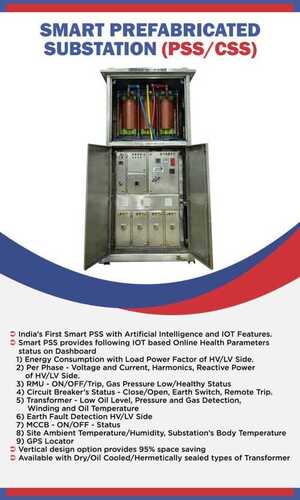
Tell us about your requirement

Price:
Quantity
Select Unit
- 50
- 100
- 200
- 250
- 500
- 1000+
Additional detail
Mobile number
Email

More Products in Package Substation Category
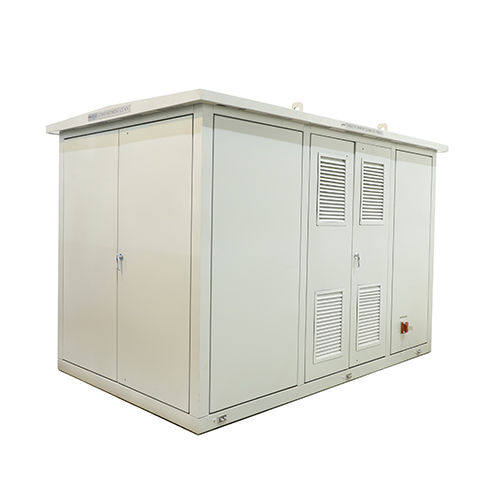
Compact Substation
Price 500000 INR / Unit
Minimum Order Quantity : 1 Unit
Product Type : Other, Compact Substation
Material : Metal
Usage : Industrial
Output : 63KVA to 5000KVA
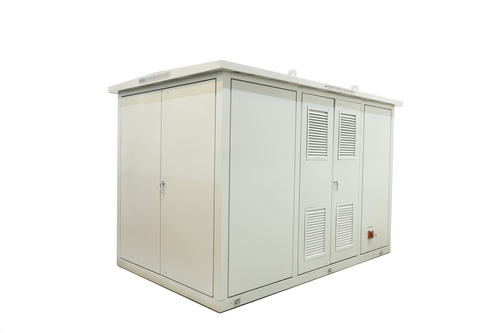
Package Substation
Price 300000 INR / Unit
Minimum Order Quantity : 01 Unit
Product Type : Electrical Transformer
Material : MS
Usage : Commercial
Output : AC
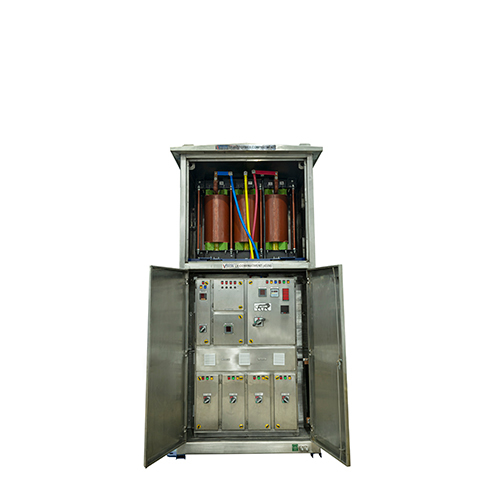
Smart Vertical Substation
Price 500000 INR / Unit
Minimum Order Quantity : 1 Unit
Product Type : Other, Smart Vertical Substation
Material : Metal
Usage : Industrial
Output : 63KVA to 5000KVA.

 Contact Us
- 1301, 13Th Floor, Dev Corpora Premises Co Op society Ltd, New Cadbury Junction,Thane - 400601, Maharashtra, India
- Phone : 08045813633
VISION VIDYUT ENGINEERS PVT LTD
GST : 27AADCV6548C1Z9
GST : 27AADCV6548C1Z9

- support@visionvidyut.com
- Mrs Vaishali Jaywant Thorat (Managing Director)
Mobile : 08045813633, +918433937366

 Send Inquiry
 Send SMS
 Call Me Free
VISION VIDYUT ENGINEERS PVT. LTD.
All Rights Reserved.(Terms of Use)
Developed and Managed by Infocom Network Private Limited.
Developed and Managed by Infocom Network Private Limited.

